Posts

Showing posts with the label Symbiosis

Science is Fun Fridays!

Image
  I learned something this weekend about ants, aphids, and sagebrush. After coming across this above, I thought at first the ants were tending some larvae, but then I realized they were bugs too.  So I Googled and found out. The aphids eat the sagebrush, and the ants farm them in doing so.  They'll move them around to different locations, protect them from predators, and milk them.  They stroke the aphids in a certain way and they exude a nectar that the ants eat. This is called honeydew, a by-product of the sap they feed on.

Science is Fun Fridays!

Image
Meet the Leaf Sheep sea slug, the only non-plant organism in the world that is able to photosynthesize. The process is called kleptoplasty, which is taking chloroplasts from a food source and incorporating them into the consumer's cells.  As the sea sheep grazes on algae, it retains those chloroplasts and is able to survive for several months after photosynthesis. Plus, they're adorable.

Science is "Fungi" Fridays!

Image
 Under the ground, across the whole planet, is a network of fungal threads called mycelium. These connect different plants, and different species, across a forest floor. They will help plants locate water and will direct nutrients when needed.  Trees can warn one another about infestation so they can produce the chemicals that will protect them.  The plants interact and help one another survive.  It's even been suggested that plants and fungi can identify their spawn, and specifically supply nutrients to make sure they thrive through the network. "It holds the consciousness of nature's connection to all living things." It is much like our own consciousness, the neural networks in our brains that keep our bodies functioning and acting. It is also much like the internet, a superhighway of vital information, the web of life. Mycelium's vast structural network is responsible for creating top soil, decomposing plant debris, and providing nutrients to the plants and t...

Science is Fun Fridays!

Image
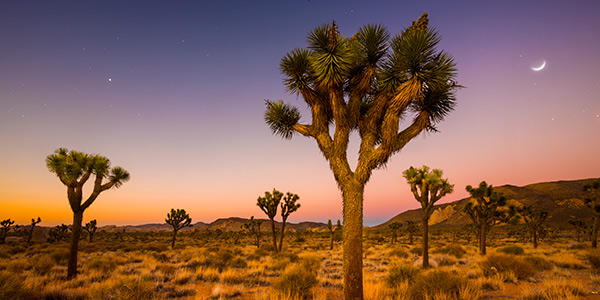
  Yucca brevifolia - Joshua Tree They were named by Mormon settlers who felt that their outstretched limbs guided them on their westward journey.  But they're not actually trees, they're succulents.  Living in dry ecosystems, such as the Mojave Desert, they are well adapted to store water.   Since they aren't trees, they don't have annual growth rings, so determining their age can be difficult.  Scientists have to measure the height of the tree and then divide by an estimate of growth per year, (and it is a slow growth).  One in California is believed to be nearly 1,000 years old, but 150 is the more common lifespan. Joshuas need a cold period in order to flower, and because of this they are vulnerable to climate change.  The US Fish and Wildlife Service is currently reviewing listing the plant under the federal Endangered Species Act.  In September 2020, California added it to their Endangered Species Act, and it is illegal to cut down, dama...